
A startup known for developing brain-computer interface technology is now exploring a very different area of medicine: organ preservation for transplants.
The company, Science Corporation, was founded by former Neuralink president Max Hodak and originally focused on neural interfaces and vision-restoration technology. Now, the company is launching a new initiative aimed at extending how long human organs can survive outside the body.
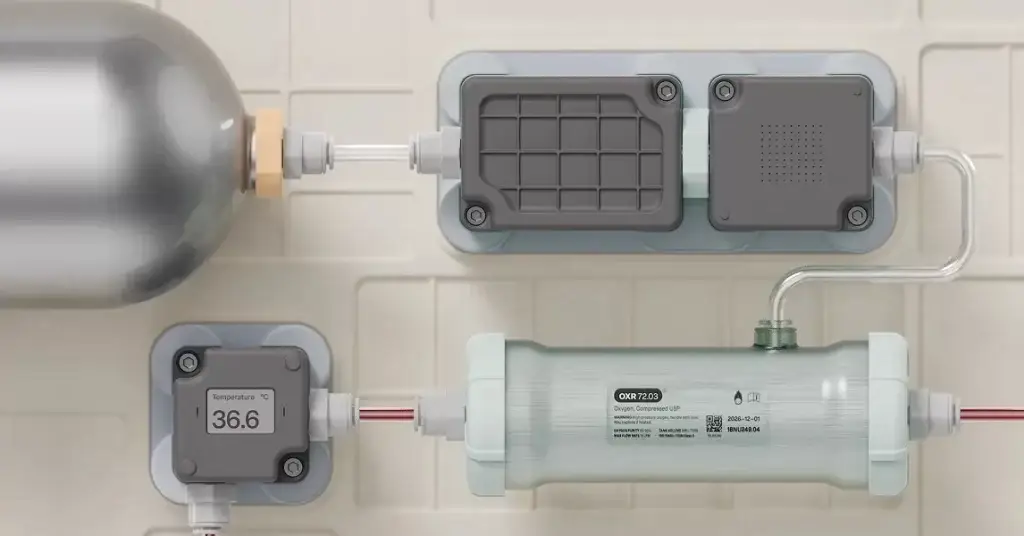
Science is developing a compact perfusion system—a device that circulates oxygenated blood through organs to keep them viable after removal from the body. Current machines are large, expensive, and require specialized operators. The company’s goal is to build smaller, more affordable, and portable systems that could dramatically improve transplant logistics and patient care.
Early prototypes have already demonstrated promising results. According to the report, the system has been able to keep rabbit kidneys alive outside the body for up to 48 hours, and the team hopes to extend that timeframe significantly in the future.
If successful, the technology could transform the organ transplant process by allowing organs to travel farther, remain viable longer, and potentially reduce the number of usable organs that go to waste.
The effort highlights a growing trend in biotech where companies working on advanced technologies—such as neural interfaces and AI-driven medical systems—are applying their innovations to broader healthcare challenges.
Source:
Read the original article from WIRED:
https://www.wired.com/story/a-brain-computer-interface-company-is-getting-into-organ-preservation/